
Lower Back Pain After a Car Accident: What It Means (And Why It Shouldn’t Be Ignored)
You didn’t hit your head. You didn’t break anything.
But your lower back doesn’t feel right. At first, it’s just stiffness. Maybe a dull ache when you sit too long. You assume it’ll pass. Then a few days later, it worsens.
Bending becomes uncomfortable. Sitting in the car feels different. Even getting out of bed takes more effort than it should. Lower back pain after a car accident is often delayed and often misunderstood. And for many people, that’s where the real problem begins.
Table of Contents
Why lower back pain shows up after a car accident
What’s happening in your spine
Common types of injuries
When back pain is serious
What to do next
When to seek care in Andover and Merrimack Valley
Why Lower Back Pain Doesn’t Always Show Up Right Away
After a car accident, your body goes into a protective state.
Adrenaline increases. Pain signals are suppressed. Your body is focused on getting through the moment—not processing injury.
Meanwhile, inflammation begins to build.
Soft tissue damage, joint irritation, and spinal stress don’t always trigger immediate pain. Instead, symptoms develop gradually over:
Hours
Days
Sometimes even longer
This is why patients in Andover, Lawrence, and Methuen often say:
“I didn’t feel it at first… but now my back is killing me.”
What’s Actually Happening in the Lower Back
Even in a low-speed collision - like a rear-end accident on Route 93 or a sudden stop near Route 495 - the force transmitted through your body is significant.
Your spine absorbs that force.
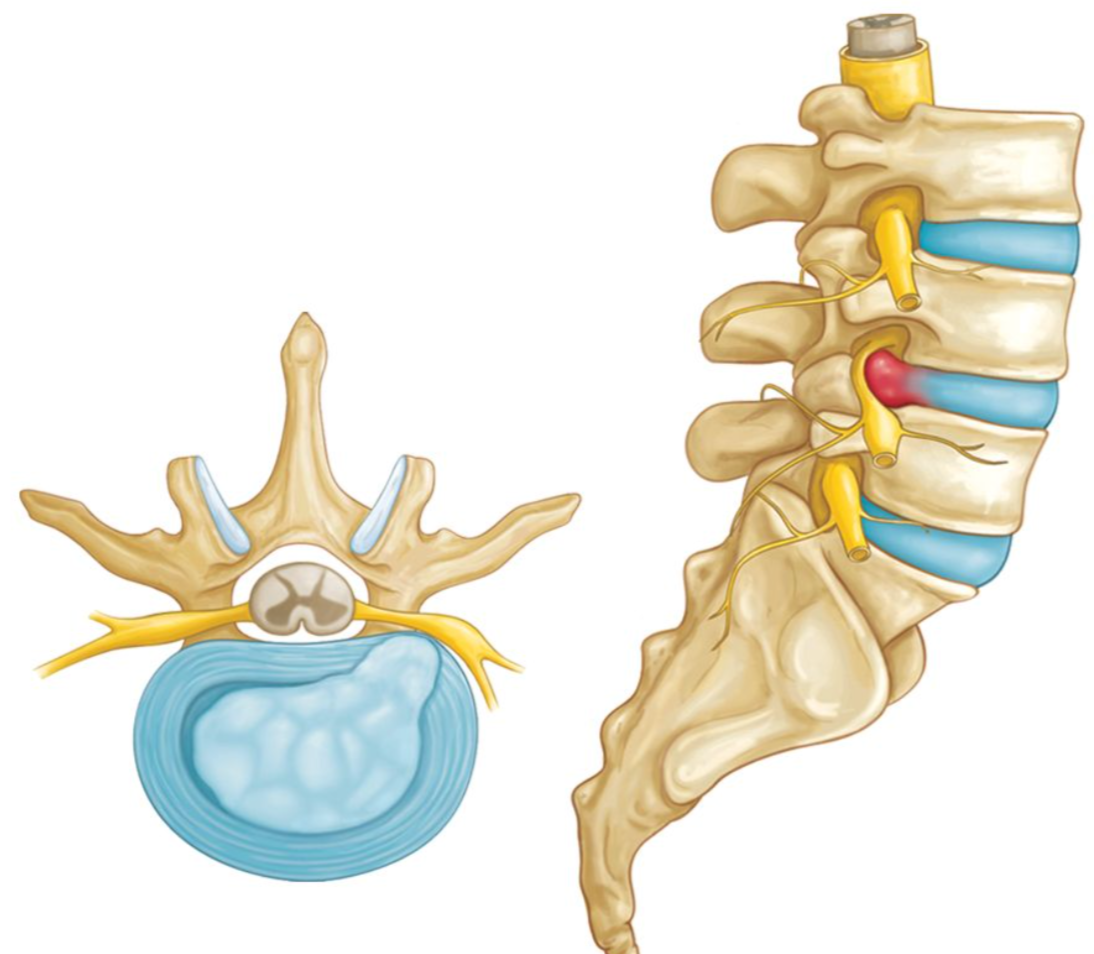
The lower back (lumbar spine) is especially vulnerable because it:
Stabilizes your body
Transfers force between upper and lower body
Handles compression and rotation
This can lead to:
Joint irritation
Muscle strain
Ligament injury
Disc involvement
Nerve irritation
Pain is often a delayed response to structural stress, not immediate damage.
What Does Lower Back Pain After a Car Accident Mean?
Lower back pain after a car accident usually indicates a soft tissue or joint-related injury, but it can also involve discs or nerves depending on severity.
Most common causes:
Lumbar sprain/strain
Facet joint irritation
Disc bulge or herniation
Muscle guarding or spasm
Nerve irritation (sometimes causing sciatica)
Not all of these are visible on imaging and not all present the same way.
That’s why proper evaluation matters.
Common Symptoms to Watch For
Lower back pain can show up in different ways depending on the injury.
You may experience:
Dull, aching pain in the lower back
Sharp pain with movement
Pain when sitting or driving
Stiffness in the morning
Pain radiating into the hips or legs
Tightness or muscle spasms
Waiting too long is one of the biggest mistakes patients make.
Symptoms that seem mild early on often become more persistent if left untreated.
Common Mistakes After a Car Accident
Most people underestimate lower back pain after an accident.
They:
Assume it’s just soreness
Wait to see if it improves
Avoid getting evaluated
Try to push through daily activities
The problem is that untreated injuries can:
Compensate
Tighten
Become chronic
This is especially common in patients we see weeks later from Lowell, North Andover, and surrounding areas.
What Should You Do If You Have Lower Back Pain After a Car Accident?
If you’re experiencing lower back pain after a crash, here’s what you should do:
Get evaluated early even if symptoms seem mild
Monitor changes in pain or movement
Avoid assuming rest alone will fix it
Document your symptoms
Seek care from a provider experienced in car accident injuries
If you’re unsure where to begin, understanding your options for car accident treatment can help guide your next step.
Why Early Evaluation Matters
Lower back injuries are often subtle at first.
But over time, they can:
Limit movement
Affect posture
Create compensation patterns
Lead to chronic pain
At Andover Injury Center, we frequently see patients who delayed care and now require more extensive treatment.
Early diagnosis allows for simpler, more effective recovery.
How We Evaluate Lower Back Pain After a Car Accident
Not all lower back pain is the same.

At AIC, our approach focuses on:
Identifying the exact source of pain
Assessing movement and function
Evaluating joint and soft tissue involvement
Understanding the mechanism of injury
This allows us to create a targeted plan, not a generalized one.
If you’re searching for a chiropractor after a car accident, it’s critical to find someone who evaluates beyond just symptoms.
Local Experience Matters
We routinely treat patients from:
Andover
Lawrence
Methuen
Lowell
North Andover
Haverhill
Many injuries we see come from everyday collisions, rear-end accidents, sudden stops, or highway traffic incidents.
We care for patients we see from across the Merrimack Valley, many of whom initially believed their lower back pain was “not a big deal.”
When Should You Get Checked?
If your lower back pain:
Appears within a few days after an accident
Is worsening
Limits movement or activity
Feels different than normal soreness
You should be evaluated.
You don’t need severe pain to justify care.
You just need clarity.
What to Do Next
If you’ve been in a car accident and are experiencing lower back pain, the most important step is understanding what’s actually causing it.
You can request an evaluation here to determine exactly what’s going on and what the best course of action is.
Final Reassurance
Lower back pain after a car accident is common but it’s not something you should ignore.
In many cases, these injuries are manageable when addressed early.
You’re not overreacting. You’re not too late.
You just need the right evaluation and a clear plan moving forward.
Spanish Section
Si tiene dolor en la parte baja de la espalda después de un accidente de auto, es importante evaluarlo lo antes posible.
Los síntomas pueden empeorar con el tiempo si no se tratan adecuadamente.