
Whiplash Symptoms After a Car Accident: What You Need to Know (And Why They’re Often Missed)
You walk away from the accident thinking you’re fine.
No visible injuries, no immediate pain, maybe just a little shaken. You go home, sit down and try to relax. Then, the next morning, your neck feels tight. Turning your head is uncomfortable and a headache starts to build. By the second or third day, it’s worse. Whiplash doesn’t always show up right away and that’s exactly why it gets missed.
Table of Contents
What whiplash actually is?
Why symptoms are delayed?
Common symptoms to watch for.
When whiplash is more serious.
What to do next?
When to seek care in Andover and Merrimack Valley?
What Is Whiplash, Really?
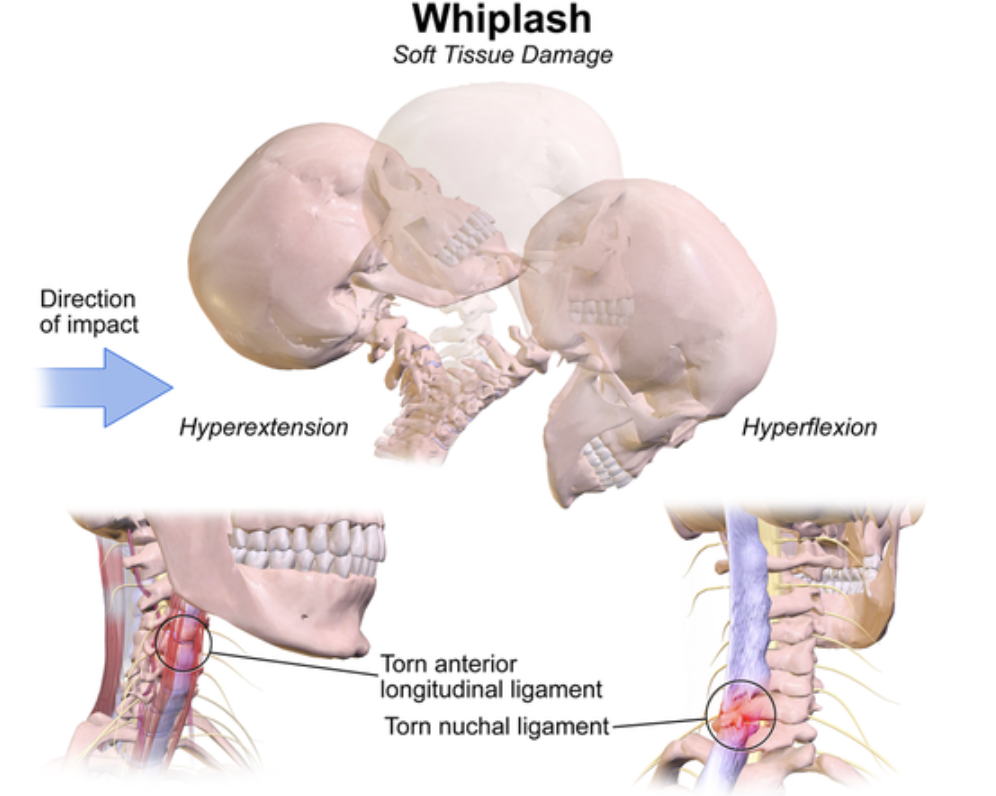
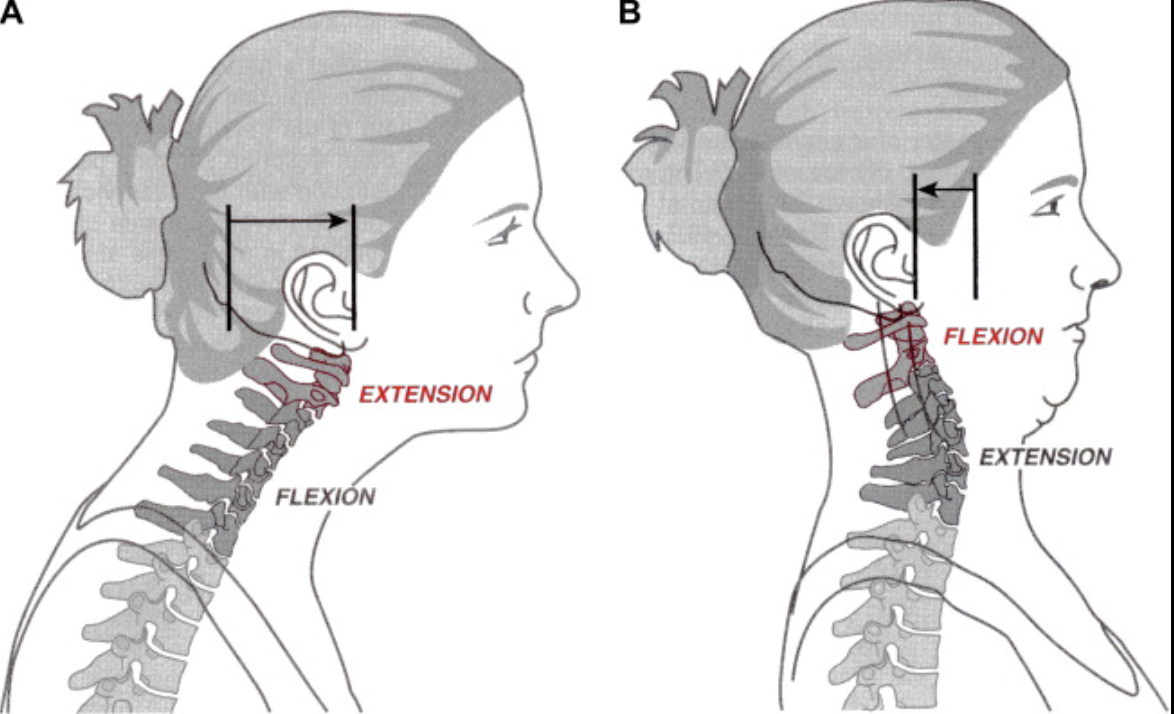
Whiplash is not just “neck pain.” This is a common misconception both with patients and doctors alike. Whiplash is a rapid acceleration-deceleration injury, most commonly from rear-end collisions, where the head is suddenly thrown forward and backward.
This motion stresses:
Muscles
Ligaments
Joints (facet joints)
Discs
Nerves
Even in low-speed accidents, when sitting on traffic on 95, 93, 495, 114, etc. - this force can be enough to cause injury.
Why Whiplash Symptoms Are Delayed
Immediately after an accident, your body releases adrenaline. We call it an “adrenaline dump.” Adrenaline masks pain, it keeps you alert and it allows you to function. Think of war and injured soldiers carrying their fellow heroes on their shoulders for miles with fractured tibias and serious shrapnel wounds. The adrenaline (and willpower) is a major contributor to their ability to persist.
After the accident, when your experiencing a major surge in adrenaline, simultaneously your body is dealing with inflammation that is just beginning. This inflammation in many cases will build over time, enhancing and mitigating pain.
In certain cases, soft tissue injuries don’t always trigger immediate pain. Instead, symptoms develop gradually over:
12-24 hours
24-72 hours
Sometimes longer
Most people feel “fine” at first, until they don’t.
What Are the Symptoms of Whiplash After a Car Accident?
Whiplash symptoms can vary depending on the severity of the injury. Common symptoms include: neck pain and stiffness, headaches (often starting at the base of the skull), reduced range of motion, shoulder or upper back pain, muscle tightness or spasms, dizziness and fatigue.
In more involved cases:
Tingling or numbness
Radiating pain into the arms
Difficulty concentrating
Not all symptoms appear immediately and not all are obvious.
What’s Happening Inside Your Neck
The cervical spine is designed for mobility, but that mobility makes it vulnerable. Where mobility exists, stability typically doesn’t. Where stability lacks, you often have risk of injury, especially when extreme forces are transmitted through highly mobile structures.
During a car accident:
The head moves rapidly
The neck is forced beyond its normal range
Soft tissues absorb the force
This can lead to:
Microtearing of ligaments
Joint irritation
Muscle guarding
Nervous system disruption
Pain is often a delayed response to this stress, not immediate damage.
Common Mistakes After a Car Accident
Whiplash is one of the most commonly underestimated injuries.
People often:
Assume symptoms will go away on their own
Delay getting evaluated
Ignore stiffness or mild discomfort
Only seek care when pain becomes severe
By that point, the injury has often progressed. It’s not that it cannot be improved or in many cases a full pain-free status achieved. It’s more about the time it will take to get better. The longer you wait, the worse off your condition becomes. It is important to intervene early with car accidents or any injury for that matter to limit the amount of time you will have to deal with functional limitations as a result of your pain. Functional limitations meaning aspects of your daily life we often take for granted - going to the gym, tying your shoe, showering, sleeping in your favorite position, etc.
At Andover Injury Center, we regularly see patients from Lawrence, Methuen, Haverhill, Lowell, Reading, Tewksbury, Andover and North Andover who waited too long and now require more involved care. Early diagnosis changes the trajectory of recovery.
What Should You Do After a Car Accident?
If you suspect whiplash, here’s what to do:
Get evaluated within 24-72 hours
Monitor any changes in symptoms
Avoid assuming “no pain = no injury”
Document symptoms as they develop
Seek care from a provider experienced in car accident injuries
If you’re unsure where to begin, understanding your options for car accident treatment can help guide your next step.
How We Evaluate Whiplash at AIC
Not all neck pain is the same. Injury severity, past medical history, posture, chronic conditions/pain, etc. impact our assessment strategy. No two patients are ever the same. Most rear end collisions will be recommended for radiological evaluation to assess permanent ligamentous injury afflicting the neck. Even a minor fender bender in a parking lot can cause serious injury. The key is undergoing a comprehensive evaluation to determine the extent of injury.
Our approach focuses on:
Identifying the exact structures involved (ligaments, tendons, muscles, bones, discs, nerves, etc.)
Assessing movement and function (functional, active, passive, etc.)
Evaluating joint and soft tissue injury
Understanding the mechanism of the accident
Comprehensive Neurological Evaluation
Depending on the case - radiological assessment (X-Ray, CT, MRI, etc.)
This allows us to provide targeted, precise care by a well-trained car accident doctor. If you’re looking for a chiropractor after a car accident, it’s critical to choose someone who understands the complexity of these injuries.
Local Experience Matters
When you experience a car accident, its best to find someone local and convenient. The last thing you need to worry about is long commutes several times per week to a distant clinic. We are Merrimack Valley’s number one resource for car accident care and are conveniently located in Andover, right near the train station to Boston.
We treat patients from:
Andover
Lawrence
Methuen
Lowell
North Andover
Haverhill
Reading
and more.
Many injuries result from everyday collisions, not high-speed crashes. We care for patients we care for patients in our local neighborhoods, many of whom initially believed their symptoms were minor.
When Should You Get Checked?
If you’ve been in an accident and are experiencing:
Neck stiffness
Headaches
Reduced mobility
Delayed symptoms
You should be evaluated, you don’t need severe pain. and you just need clarity. We can often accommodate same day appointments, text to book your evaluation: (978)-697-4192.
What to Do Next
If you’ve recently been in a car accident and are noticing symptoms, the most important step is getting a proper evaluation. You can request an evaluation here to understand exactly what’s going on and what to do next. Whiplash is common, delayed symptoms are anticipated and uncertainty is normal. However, with the right evaluation, most cases can be managed effectively.
You’re not overreacting. You’re being proactive.
Spanish Section
Si tiene dolor de cuello después de un accidente de auto, es importante evaluarlo lo antes posible. Los síntomas de latigazo cervical pueden aparecer días después y empeorar con el tiempo.